


Rombergpark Botanical Garden
Fee of Admission:
Free
Accessible via:
Metro U49 – Station “Rombergpark”
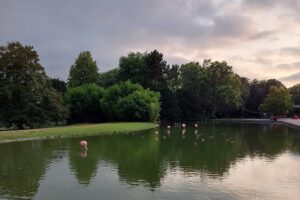
This park was laid out in the early 19th century on behalf of the Romberg family. Around a century later, the city of Dortmund purchased it and turned it into a botanical garden. During the Second World War, large parts of the garden were destroyed and then rebuilt, particularly under the direction of Gerd Krüssmann.
Today, visitors will find an impressive arboretum and numerous rhododendrons and azaleas that bloom in spring and bathe the landscape in beautiful colours. These are complemented by several plant show houses that are home to an extraordinary variety of plants. All around are ponds, fruit trees, a playground and a cosy café.
Zeche Zollern
Fee of Admission:
Free (Access to the Area only)
8€ (Exhibitions and guided tours)
Accessible via:
Regional Train RB 43 – Station “Dortmund-Bövinghausen”
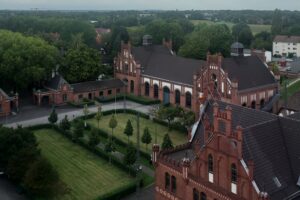
A former industrial hotspot ranks among Dortmund’s most important sights: the Zollern Colliery. The fact that this attractive brick building with glass and steel elements still exists at all is thanks to a citizens’ initiative: after decades of being an important site for coal mining, the colliery was closed down in the 1960s and was supposed to be demolished to make way for an expressway. However, the citizens’ initiative succeeded in protecting the site from demolition, and in 1969 the Zollern Colliery was declared an industrial monument.
Visitors to today’s museum, which belongs to the LWL Association of Industrial Culture Museums, can explore various exhibition rooms that focus on the lives of the former miners. Particularly impressive is the machine hall, which was designed at the beginning of the 20th century by architect Bruno Möhring and is an impressive architectural ensemble of glass, steel and exciting shapes. Particularly noteworthy here is the picturesque Art Nouveau portal with colourful stained glass windows, unique for such industrial buildings. Guided tours are offered regularly at the LWL Museum Zeche Zollern.
Phoenix See
Fee of Admission:
Free
Accessible via:
Metro U41 – Station “Hörde Bahnhof”
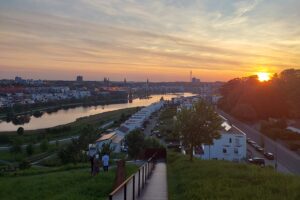
The Phoenix Lake is one of Dortmund’s most prominent urban redevelopment projects, created on the former grounds of a large steelworks site in the eastern part of the city. After the closure of the steel plant, the area was transformed into a spacious lake and recreational landscape, offering walking paths, promenades and generous green spaces. Today, visitors can enjoy a carefully designed waterfront with cafés, small shops and viewpoints that open up wide vistas across the water.
Surrounding the lake are modern residential quarters and landscaped parks that invite visitors to stroll, relax and observe the interplay of industrial heritage and contemporary urban design. A circular walking route around the lake provides a pleasant, mostly level path of about three kilometres, making it an easy and enjoyable option for first-time visitors.
Although the Phoenix Lake has become a popular destination for leisure and outdoor recreation, it is important to note that the residential development was not conceived for the entire urban population. Property prices in the area are comparatively high, which has shaped the district into one of Dortmund’s more exclusive neighbourhoods.
Dortmund U
Fee of Admission:
Free
Accessible via:
Within walkable distance from Dortmund Central station
or Metro U43/U44 – Station “Westentor“
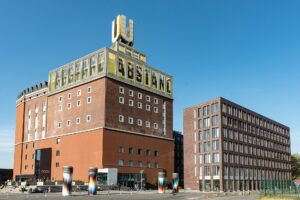
The Dortmund U is one of the city’s most distinctive landmarks. Originally built as the fermentation and storage tower of the Union Brewery, the building has been transformed into a centre for art, culture and creativity. Today, it hosts changing exhibitions, media art installations and interdisciplinary projects that explore contemporary cultural themes.
Visitors can enjoy impressive views over the city from the upper floors, making the U a popular place for first-time visitors to get a sense of Dortmund’s urban landscape. Many of the exhibitions and public areas can be visited free of charge, which makes the Dortmund U an accessible cultural venue for all. The illuminated “U” on the roof, visible from afar, has become a symbol of Dortmund’s shift from industrial heritage to creative urban future.
BORUSSEUM & Signal Iduna Park
Fee for Stadium tour:
around €15–20 per person
Fee for BORUSSEUM museum:
around €9–10 per person
Accessible via:
Metro U45/U46 – Station “Westfalenhallen”
Metro U42 – Station “Theodor-Fliedner-Heim”

If you’re visiting Dortmund, the Signal Iduna Park, home of Borussia Dortmund (BVB), is one of the city’s most exciting attractions. It’s Germany’s largest football stadium and famous for its electrifying atmosphere — especially in the “Yellow Wall” section, where passionate fans create an unforgettable experience during matches.
Inside the stadium, you’ll find the BORUSSEUM, Borussia Dortmund’s official museum. It offers a fascinating journey through the club’s history, featuring trophies, memorabilia, interactive exhibits, and multimedia displays that capture BVB’s spirit and legacy. Visitors can explore how Borussia Dortmund grew from a local team into one of Europe’s football powerhouses.
Both the BORUSSEUM and Signal Iduna Park offer guided tours that take you behind the scenes — from locker rooms to the players’ tunnel — making it a perfect spot for sports enthusiasts and anyone curious about German football culture.
Westfalenpark Dortmund
Fee of admission:
around €3–4
Accessible via:
Metro U45/ U49 – Station “Westfalenpark”
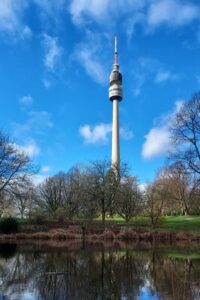
The Westfalenpark is one of Dortmund’s most beautiful and expansive green spaces, perfect for relaxing walks, picnics, or family outings. Covering over 70 hectares, it offers a mix of landscaped gardens, lakes, playgrounds, and cultural attractions.
A highlight of the park is the Florianturm, a television tower that provides panoramic views over Dortmund and the Ruhr region — especially stunning on clear days. Throughout the year, Westfalenpark hosts various events such as flower shows, concerts, and festivals, making it lively in every season.
Whether you want to enjoy nature, take photos from above the city, or simply unwind after exploring Dortmund’s urban sights, Westfalenpark is an ideal stop for visitors looking for peace and beauty amid greenery.
Dortmund Zoo
Fee of Admission:
€9–10
Accessible via:
Metro U49 – Station “Zoo”

The Dortmund Zoo is one of the city’s most popular attractions for families and animal lovers. Located in the southern district of Hacheney, it spans around 28 hectares and is home to more than 1,500 animals across roughly 230 species.
The zoo is especially known for its focus on South American wildlife, featuring animals such as giant anteaters, tapirs, and capybaras. Visitors can also see majestic lions, giraffes, penguins, and many other fascinating creatures in spacious, natural-style enclosures designed to promote animal welfare.
Beautiful walking paths, playgrounds, picnic areas, and a petting zoo make Dortmund Zoo a relaxing and educational destination for all ages. It’s easily reachable by public transport and offers plenty of opportunities to learn about conservation and biodiversity.